
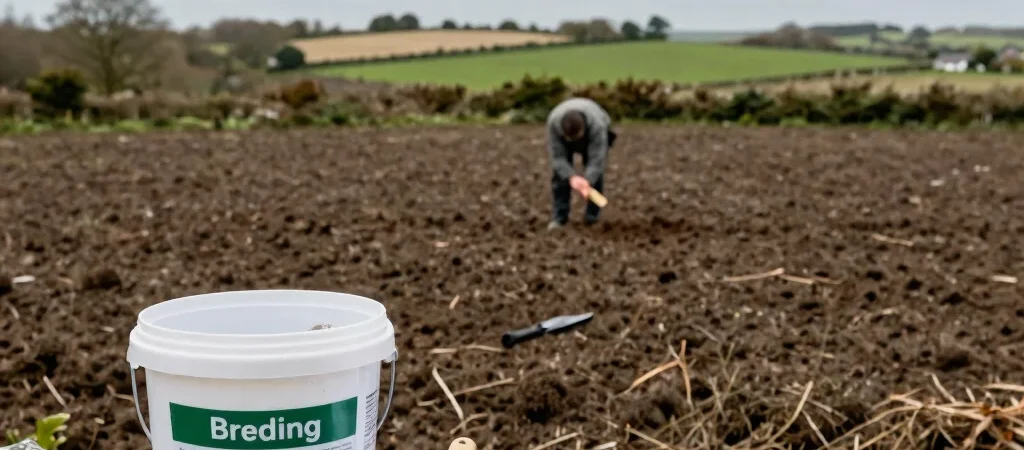
A common sampling mistake is to collect one scoop from the easiest spot and treat it as a report on the whole plot. A vegetable bed beside a compost heap, a compacted gateway, and a lower, wetter corner may need to be considered separately. First draw a simple map of the area and mark the places that differ.
Define the area first
Group ground that has a similar soil, history, and use, then sample each distinct area according to the instructions of the laboratory or service you plan to use. Keep unusual patches separate rather than mixing them into an average. The right boundaries depend on the question and the size and variation of the site.
Avoid obvious edge effects such as paths, compost piles, burn sites, and places where materials have been stored, unless those are exactly what you want to investigate. Record the date, recent conditions, land use, and anything that may help you interpret the result later. A clear label is part of the sample.
Follow the lab’s method
Sampling depth, the number of subsamples, and preparation can vary with the analysis and the land use. Follow the laboratory’s current instructions rather than applying a universal recipe. Use clean tools and containers, and do not include plant debris unless the method specifically asks for it.
If you are unsure which analysis to request, ask what each measurement is intended to answer. A pH result describes acidity or alkalinity, while organic matter and nutrient measurements address different questions; no single number summarizes soil health. The report is most useful when you can connect it to a specific decision.
Keep the result in context
Compare the report with your field notes and the site’s history, then ask the laboratory or a qualified adviser about results you do not understand. GIS Sol and INRAE publish broader soil resources, but regional information cannot diagnose a particular garden or farm. The practical takeaway is simple: map the ground first, sample to the question, and keep the method with the result.