Compost and fertility
Feeding the soil's living fabric
Biological fertility depends on organic matter inputs that are gradually transformed into humus. Balanced carbon-to-nitrogen ratios drive aerobic decomposition, while steady mulching and slow-release amendments protect the soil over time. Advice should always be adapted to your soil type and intended use.
Hot composting, cold piles, vermicomposting, and surface mulches each serve a different role in how the soil is fed.
Composting science
How decomposition works
Hot composting
A well-built heap with a balanced carbon-to-nitrogen mix heats up under active microbial work. Turning it regularly keeps oxygen moving and speeds breakdown.
Vermicomposting
Worms process kitchen and garden residues at moderate temperatures. The result is a fine, crumbly material, best used as a supplement rather than a bulk fertilizer.
Cold piles in damp climates
In wet Breton winters, slow cold piles can become waterlogged and anaerobic. Covering them and adding dry carbon-rich material helps maintain balance.
Mulching and amendments
Protecting the surface year-round
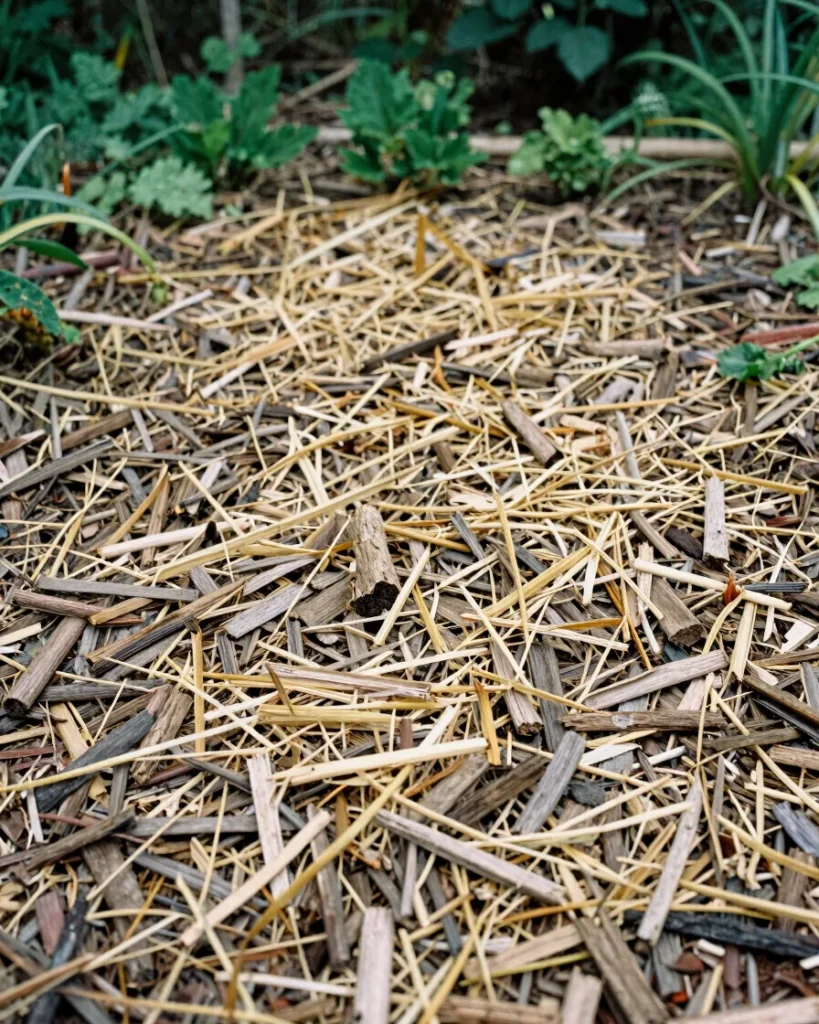
Ramial chipped wood, straw, seaweed, and well-matured compost each protect topsoil aggregates from raindrop impact and temperature swings, and each feeds the soil differently. Organic amendments are best chosen for slow, lasting biological activity rather than rapid nutrient surges.
Adapt choices to your soil type and what you intend to grow. Local analysis and reliable sources, such as regional advisory services, help guide decisions.